
Night Walking
Clarity comes in darkness

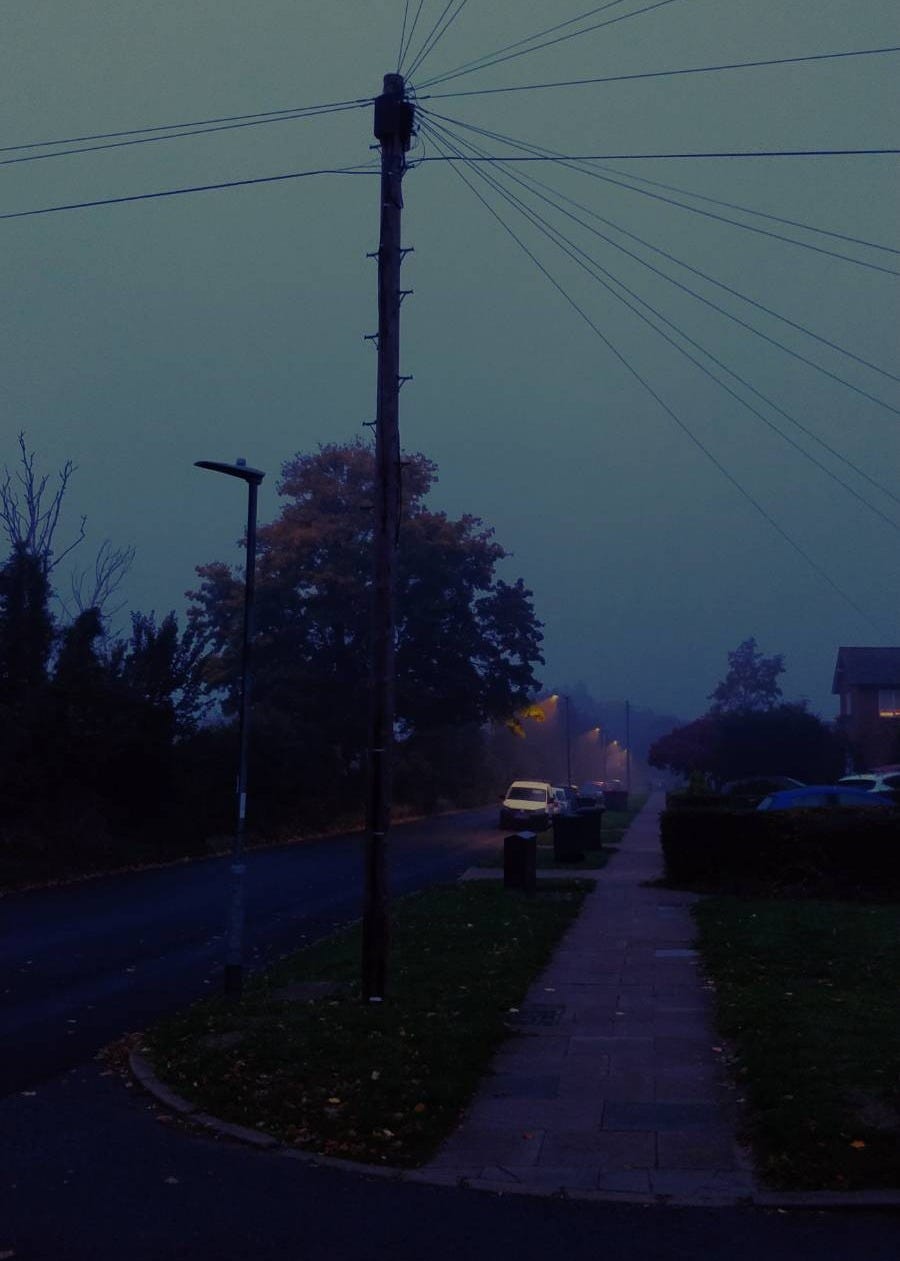
There is something about the night… when the world suspends itself it allows us to see into it more clearly. Beneath an inky black sky, the ground beneath your feet bathed in the sodium glow of an old street light, that which is inessential fades away. The deafening hum of life quietens itself for a moment, and you put one foot in front of the other, over and over again with no aim in mind. The day being gone there is now nothing left to do than to walk and see what happens. If you’re lucky you just might meet yourself.
It has long been known that walking aids thinking - Nietzsche, Kierkegaard, Kant, Thoreau, even Aristotle all extolled the virtues of walking to clear the mind. These men are now considered titans of the Western canon, some of the most incisive thinkers to have ever lived, and yet we ignore their example more often than not. How many of us have worked an office job where some overbearing manager has kept meticulous accounts of the minutes we spend away from our desks, as if moving our body was somehow wasted time, rather than an opportunity to look at our work with fresh eyes? And how many of us have such a manager living in our own heads, preventing us from ever hearing our own deepest thoughts, keeping us in an endless loop of distraction and busy work designed to prevent us from ever experiencing the reality of ourselves?
“All of humanity’s problems stem from man’s inability to sit quietly in a room alone.” - Blaise Pascal
Most of us spend our time trapped in a base condition of striving. We are incessantly goal-directed, forever waiting for a future that is stale as soon as it arrives, because we have already fixed our gaze on another. Nothing could be a clearer indicator of this than the now-burgeoning corpus of books in the self-help genre, which has for a long time been obsessed with habits, perhaps understandably so. A significant proportion of the things we do - perhaps even the majority, it is argued - are habitual, so it stands to reason that a conscious effort to modify our automatic behaviours can have a significant impact on our experience of life. Reason is the operative word here. This is the mindset of the engineer, the left hemisphere’s view: we begin with a focus on what we want to achieve, and we design a routine with that outcome in mind, in the hopes that it will sink deeply into our subconscious and make the achievement of our goals ultimately feel that they require no effort at all, at least in the end.
So far so logical. And yet, I have never had a great deal of success with this formula, at least when it comes to anything particularly significant, and it seems I am far from alone in this. We are not rational animals as much as we might desire to be, and so when we try to treat ourselves as such we inevitably clash with our own nature. Applying too much logic to our own being inevitably results in an entanglement. We become a mess of contradictions, rather than the merely paradoxical creatures we are meant to be. Contradiction is by its nature discordant. A paradox may be harmonious, even essential.
We should therefore question this need to apply effort to create internal order. The world often requires work to reverse the forces of entropy, but that is not true of everything. Some things fall into place only when left alone. Such things benefit from a stance of via negativa, where we gain from subtraction. A mind trapped in cycles of frustrated and restless endeavour is only further bound by adding strategies and work intended to undo all the damage of the work it is already doing.
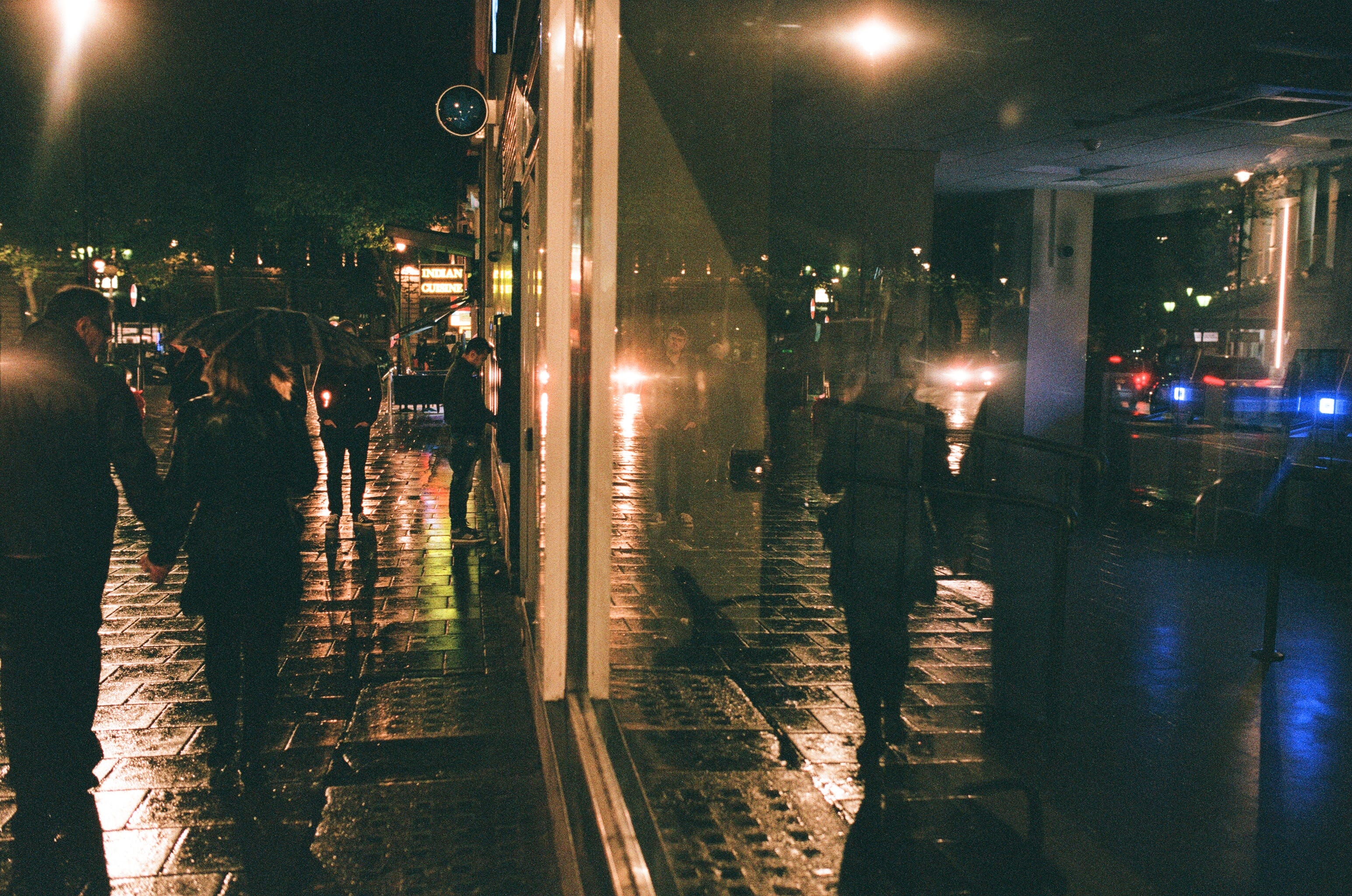
Walking at night is perhaps the easiest method I have yet found to disentangle this knot, to “unwind” in the strictest sense of the word. Many faith traditions have developed meditative techniques with the same end in mind - “shoonya” or void meditation, an ancient yogic practice, or zen meditation, both aim at a kind of self-emptying, an unfurling of and detachment from the mind. The proper way to practice this is, paradoxically, without such a goal in mind, and this is what can make them so difficult for a beginner. A walk at night, by comparison, is simple and aimless. The only goal is to do it, which is achieved instantly upon setting your foot out the door.
This habit has perhaps been the most effective I have ever adopted, precisely because it avoids the pernicious need to be doing something. And while I will admit I often go out the door with the thought that I am doing this to “clear my head”, such thoughts soon dissipate in the vast openness of the night. The more I walk, the more I become able to exist in the space between the needs of tomorrow and the regrets of yesterday. Distinctions blur and all that remains is a feeling of motion and a growing, comforting emptiness. Out there on moonlit paths I am able, however briefly, to touch the void. And sometimes, if I am lucky, I meet myself.
“[M]uddy water is best cleared by leaving it alone…” - Alan Watts, The Way of Zen
Dreams In The Void is currently free to all readers. In the future, I plan to include more in-depth articles and other bonuses for paid subscribers. If this would interest you, please consider subscribing and pledging your support (you will not be charged anything, this simply helps me to gauge demand):
If you found my work valuable and would like to support me directly, any tips are very gratefully received:
I also occasionally include affiliate links to books in my articles. For more information about these please check out the Dreams In The Void about page.